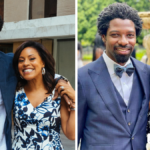

Uche Ojeh Illness: A Deep Look At His Battle and What It Means
The news of Uche Ojeh illness touched millions around the world when it was revealed that the husband of beloved television host Sheinelle Jones was battling a serious health challenge. What started as a private struggle eventually became a public story that highlighted not just the human cost of severe illness, but also the strength, resilience, and support of family, friends, and community. In this article, we’ll explore every facet of Uche Ojeh illness — from medical understanding to emotional and societal impact — with care, depth, and expert insight.
Understanding the Basics of Uche Ojeh Illness
The term Uche Ojeh illness refers broadly to the documented health battle faced by Uche Ojeh, who was diagnosed with a particularly aggressive form of brain cancer — glioblastoma — before his passing in 2025. Glioblastoma is one of the most severe forms of cancer affecting the central nervous system, known for its rapid growth and resistance to many treatments.
Glioblastoma originates in glial cells, which support the neurons in the brain. Unlike some tumors that remain localized, glioblastoma is notorious for infiltrating nearby brain tissue, making surgical removal difficult and recurrence common. As a result, coping with this diagnosis is both physically and emotionally demanding for patients and families alike.
Personal Story Behind the Diagnosis
When news outlets announced Uche Ojeh illness, very little initial information was available — and what was shared came with a backdrop of deep privacy and dignity. Born Uchechukwuka Adenola Ojeh, he built a life rooted in family, faith, and service, before the illness emerged.
Ojeh and his wife, Sheinelle Jones, met in college and married in 2007, later raising three children together. In late 2023, after exhibiting symptoms that ultimately led to imaging studies and diagnosis, Ojeh was found to be living with glioblastoma — a diagnosis that can come suddenly and progress rapidly, changing the trajectory of life in a matter of weeks or months.
What Is Glioblastoma? Medical Overview Explained
Glioblastoma — the form of cancer most associated with Uche Ojeh illness — is classified medically as Grade IV astrocytoma, the most aggressive grade of brain cancer. Unlike many tumors that form well‑defined masses, glioblastoma spreads tentacled “arms” into healthy brain tissue.
This invasive nature means standard surgical excision can never remove every cancerous cell. Common symptoms include persistent headaches, changes in personality or memory, seizures, and difficulty with motor function. Treatment options typically consist of surgery, radiation therapy, and chemotherapy — often offering limited extension of survival but significant lifestyle impact.
Here’s a breakdown of key facts:
| Feature | Description |
| Type of Cancer | Glioblastoma – a primary brain tumor |
| Aggressiveness | Rapid growth, often grade IV |
| Treatment Approaches | Surgery, radiation, chemotherapy |
| Survival Insight | Median survival ~12–18 months after diagnosis |
| Recovery Challenges | High recurrence rate |
This table helps clarify why glioblastoma — and therefore Uche Ojeh illness — is considered such a profound health challenge.
The Timeline: From Diagnosis to Public Announcement
Ojeh’s diagnosis was kept primarily within close family for months, with co‑workers and the public only learning about the severity as his health declined. Sheinelle Jones stepped away from her role on the TODAY show in late 2024 to focus on family health matters, later revealed to be the battle with glioblastoma.
In May 2025, the illness was publicly acknowledged during a live broadcast by colleagues, who shared news of his passing at age 45. “With profound sadness, we share…,” one host said as they honored his courage and character.
That moment brought the human story behind Uche Ojeh illness into full view for millions of viewers — turning a private struggle into a poignant collective reflection.
Diagnosing Aggressive Brain Cancer: How It Happens
Doctors typically begin diagnosing a case like Uche Ojeh illness when neurological symptoms persist. Because glioblastoma does not cause early alarm signs specific only to itself, patients often seek help only after noticeable loss of function or pain occurs.
Diagnostic steps include:
- MRI or CT Scans: To visualize tumor presence and size
- Biopsy: Tissue sampling to confirm cancer type
- Genetic Markers: Identifying specific mutations for targeted therapies
Diagnosis is an emotional and logistical pivot point — the start of treatment planning, and the mile marker where life changes forever.
Exploring Treatment Approaches and Limitations
Despite decades of research, glioblastoma remains notoriously difficult to treat. Standard approaches often rely on a multimodal strategy:
- Surgical Removal: Attempting to reduce tumor burden
- Radiation Therapy: Targeting residual cells
- Chemotherapy: Slowing progression
Emerging therapies like tumor‑treating fields and immunotherapy are promising but not yet universally effective. Unlike some tumors in the body, brain tissue cannot be “replaced,” increasing the stakes of every medical decision.
The Emotional Impact on Family and Community
Beyond clinical definitions, Uche Ojeh illness reverberated emotionally across his family, particularly his wife and three children. Facing the diagnosis while maintaining family life requires resilience few can imagine.
Sheinelle Jones later described the experience as a “beautiful nightmare,” a phrase capturing the paradox of love, grief, and memory intertwined. The support poured in from colleagues and viewers alike, underscoring the collective empathy such stories evoke.
Public Figures and Private Battles: A Broader Context
When someone in the public eye is linked with a serious disease like Uche Ojeh illness, it can spark wider awareness and dialogue around conditions like glioblastoma.
These moments often lead to:
- Greater funding discussions
- Awareness of neurological cancers
- Shared experience in caregiving communities
In this way, personal tragedy becomes a potential catalyst for broader social understanding and advocacy.
“Illness reveals what truly matters — the strength of community, the tenderness of family, and the fragility of life.”
This sentiment, echoed by medical and wellness leaders alike, emphasizes the human side of health narratives.
Long‑Term Legacy and What We Can Learn
The legacy of Uche Ojeh illness is about more than medical diagnosis. It’s about how families cope, how communities rise in support, and how public figures can humanize complex health issues.
His story has:
- Sparked conversations about aggressive cancers
- Illustrated caregiving realities
- Highlighted the intersection of personal resilience and public empathy
These lasting lessons provide context and meaning beyond the original news cycle.
Conclusion
The phrase Uche Ojeh illness carries layers of meaning: a personal health tragedy, a public story of courage and loss, and a marker in broader conversations about cancer care. By examining both the medical and human elements — from glioblastoma diagnosis to emotional impact — we gain a clearer, more empathic understanding of what such an illness entails.
Whether you’re here to learn about the disease, reflect on the personal journey, or seek deeper insights into community responses, this topic holds lessons for all of us. Illness rarely comes with a manual, but through stories like Ojeh’s, we find context, connection, and — above all — humanity.
FAQ
What exactly was the Uche Ojeh illness?
The main illness associated with Uche Ojeh was an aggressive form of brain cancer called glioblastoma, known for rapid growth and serious impact on brain tissue.
How did doctors diagnose Uche Ojeh illness?
Medical professionals diagnosed his illness using advanced imaging like MRI scans followed by biopsy to confirm glioblastoma.
What makes glioblastoma related to the Uche Ojeh illness so severe?
Glioblastoma is considered severe due to its invasive nature, resistance to many treatments, and tendency to recur after surgery.
Did Uche Ojeh’s illness affect his family life?
Yes — the illness deeply affected his family, leading his wife Sheinelle Jones to step back from work to focus on caring for him and their children.
What can the public learn from Uche Ojeh illness?
The broader lesson from Uche Ojeh illness is the importance of awareness, support for affected families, and the human side of battling severe disease.